

Introduction
The Benefits of Sprinkler Irrigation Systems make it a popular choice for farmers, gardeners, and landscapers looking to water plants efficiently and effectively. Sprinkler systems distribute water evenly across lawns, gardens, and fields, mimicking natural rainfall while saving time, labour, and water.
To fully understand the benefits of sprinkler irrigation system, it is important to know how to properly install and operate the system. You can read our detailed guide on how to install a sprinkler irrigation system for step-by-step instructions.
Table of Contents
What Is a Sprinkler Irrigation System?
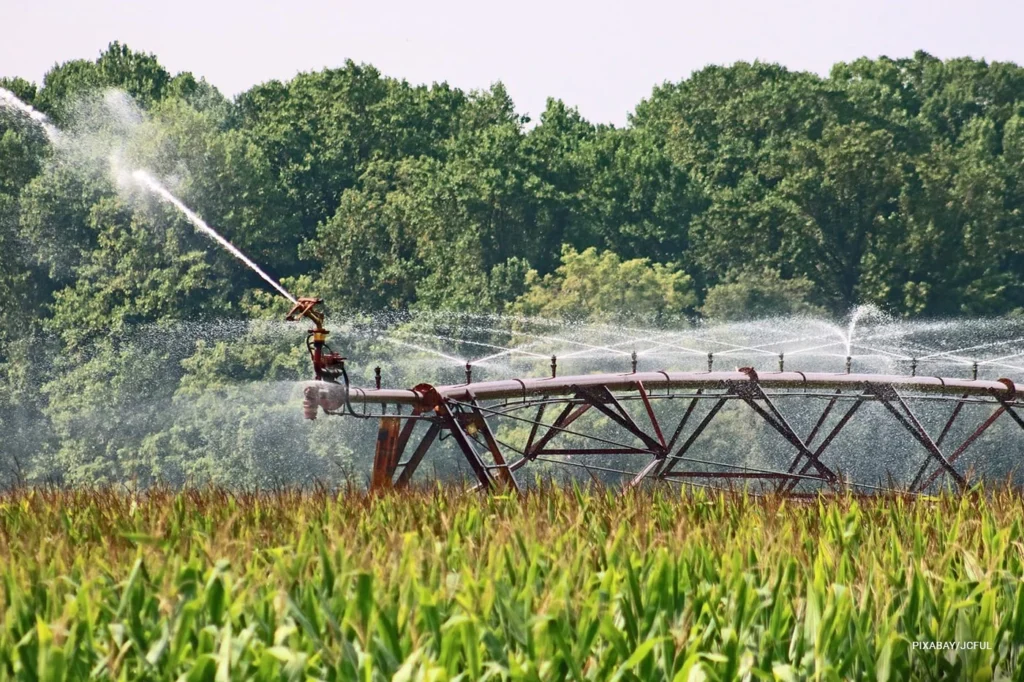
A sprinkler irrigation system is a modern watering method that distributes water over crops, lawns, or gardens in the form of small droplets—just like natural rainfall. It uses a network of pipes, pumps, and sprinkler heads to spray water evenly across the land.
This system is widely used in agriculture, residential lawns, parks, and sports grounds because it provides controlled and uniform watering. One of the major benefits of sprinkler irrigation system technology is that it ensures plants receive the right amount of water without flooding the soil.
Main Components of a Sprinkler Irrigation System:
- Water Source – Borewell, canal, tank, or reservoir
- Pump – Creates pressure to move water through pipes
- Pipes (Main & Sub-main) – Carry water across the field
- Sprinkler Heads – Spray water evenly like rainfall
How It Differs from Traditional Irrigation
Unlike flood irrigation, where water flows freely over the land, a sprinkler irrigation system controls the flow and spreads water evenly. This controlled distribution is one of the key benefits of a sprinkler irrigation system, helping reduce water waste and improve plant health.
How Does a Sprinkler Irrigation System Work? – Water Source
The water source is the starting point of any sprinkler irrigation system. Without a reliable water supply, the system cannot function properly. The water source provides the water that will later be pressurised and distributed evenly across the field through pipes and sprinkler heads.
A sprinkler irrigation system can use different types of water sources depending on availability and farm location.Proper setup and operation are essential to maximise the benefits of sprinkler irrigation system. Learn more in our complete guide on how to use sprinkler irrigation system.
Common Water Sources Used
- Borewell or Tube Well
Groundwater is pumped from below the surface using a motor pump. This is common in farms and rural areas. - Canal Water
Water supplied through government irrigation canals can be used as a steady source. - Water Tank
Stored water in overhead or ground tanks can supply smaller systems like gardens and lawns. - Reservoir or Pond
Farms may collect rainwater in reservoirs for irrigation use.
Why the Water Source Is Important
The quality and availability of water directly affect system performance. Clean water prevents clogging of sprinkler heads and ensures smooth operation. A consistent water supply also helps maintain uniform pressure, which is essential for even water distribution.
One of the key benefits of a sprinkler irrigation system is efficient water use, and that efficiency starts with choosing the right water source. A stable and properly managed source ensures plants receive controlled and balanced watering without waste.
Top 10 Benefits of Sprinkler Irrigation Systems
Understanding the benefits of a sprinkler irrigation system helps farmers, gardeners, and landowners choose the right irrigation method. Below are the top 10 advantages explained in simple and clear terms.
1. Uniform Water Distribution
One of the biggest benefits of a sprinkler irrigation system is even water coverage. Water is sprayed like rainfall, ensuring all plants receive equal moisture.
2. Water Efficiency
Sprinklers reduce water waste compared to traditional flood irrigation. Controlled spraying helps conserve water and lowers overall usage.
3. Saves Time and Labour
Automatic sprinkler systems reduce the need for manual watering. This saves both time and labour costs.
4. Suitable for Uneven Land
Unlike some traditional methods, sprinkler systems work well on slopes and irregular fields without extensive land levelling.
5. Prevents Soil Erosion
Gentle water spraying reduces heavy runoff and protects the topsoil from erosion.
6. Improves Crop Yield
Consistent and balanced watering supports healthy plant growth, which can increase crop production.
7. Reduces Waterlogging
Because water is applied in controlled amounts, the risk of standing water and root damage is minimised.
8. Flexible and Easy to Install
Sprinkler systems can be permanent or portable. They can be used in small gardens as well as large agricultural fields.
9. Works for Multiple Crops
From vegetables and fruits to lawns and pastures, sprinkler systems are suitable for a wide range of plants.
10. Cost-Effective in the Long Term
Although the initial setup cost may be higher than traditional methods, the long-term savings in water, labour, and improved yield make it economical.
Sprinkler Irrigation vs Other Irrigation Methods
When choosing an irrigation method, it is important to compare sprinkler irrigation with other common systems like drip irrigation and flood irrigation. Understanding the differences helps explain the real benefits of a sprinkler irrigation system and when it is the best option.
1. Sprinkler Irrigation vs Flood Irrigation
Flood Irrigation
- Water flows freely over the field.
- Requires flat land.
- High water wastage due to runoff and evaporation.
- Can cause soil erosion and waterlogging.
Sprinkler Irrigation
- Sprays water evenly like rainfall.
- Works on uneven land.
- Uses water more efficiently.
- Reduces soil erosion and standing water.
One of the main benefits of a sprinkler irrigation system compared to flood irrigation is better water control and reduced waste.
2. Sprinkler Irrigation vs Drip Irrigation
Drip Irrigation
- Delivers water directly to plant roots.
- Very water-efficient.
- Best for row crops and orchards.
- Can be costly to maintain due to clogging.
Sprinkler Irrigation
- Covers large areas quickly.
- Suitable for lawns, pastures, and field crops.
- Easier to install for wide coverage.
- Requires proper pressure management.
While drip irrigation is highly efficient for specific crops, one of the key benefits of a sprinkler irrigation system is its flexibility and ability to irrigate large areas uniformly.
3. When Is Sprinkler Irrigation the Best Choice?
Sprinkler irrigation is ideal when:
- The land is uneven or sloped.
- Large areas need quick and even coverage.
- Multiple types of crops are grown.
- Labour availability is limited.
Who Should Use a Sprinkler Irrigation System?
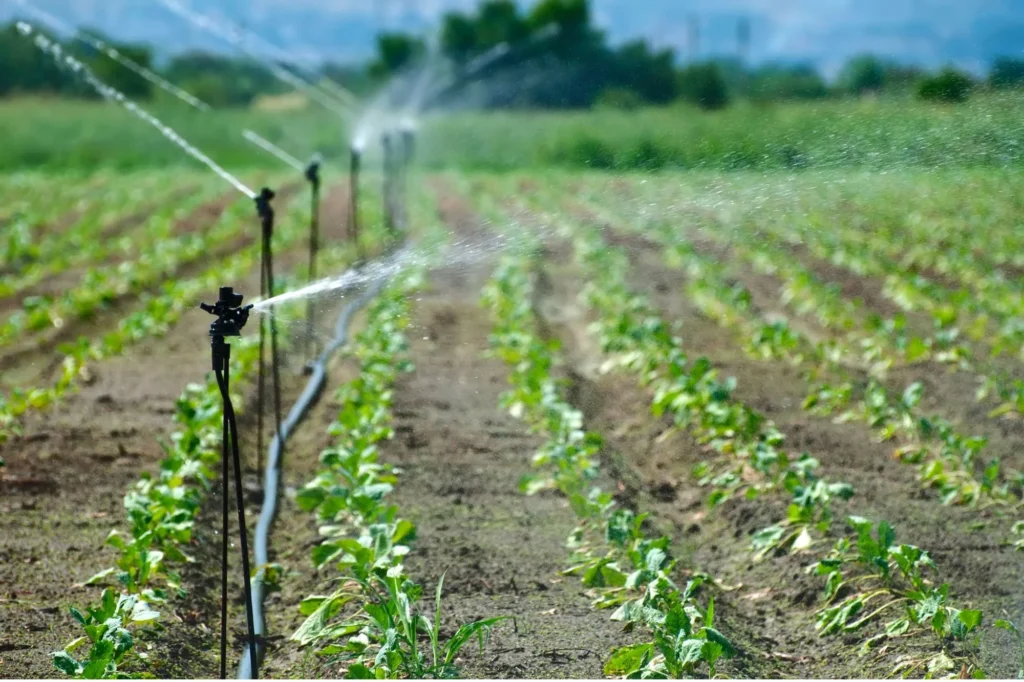
A sprinkler irrigation system is a flexible and efficient watering solution suitable for many types of users. Because of the many benefits of sprinkler irrigation systems, they are widely used in agriculture, landscaping, and residential areas.
Below are the main groups who can benefit from using this system:
1. Farmers
Farmers growing crops such as wheat, vegetables, fruits, and fodder can use sprinkler systems for uniform watering. One of the key benefits of a sprinkler irrigation system for farmers is improved crop yield through balanced and controlled water application.
2. Home Gardeners
Homeowners with lawns, kitchen gardens, or decorative plants can use small sprinkler systems. These systems save time and ensure plants receive even watering without manual effort.
3. Landscaping Businesses
Professional landscapers managing parks, commercial buildings, and housing societies benefit from automated sprinkler systems. They help maintain green and healthy landscapes with less labour.
4. Sports Ground Managers
Cricket grounds, football fields, and golf courses require uniform grass growth. Sprinkler irrigation provides even coverage, which keeps turf healthy and playable.
5. Large Landowners
People who own large areas of land can use sprinkler systems to cover wide spaces efficiently. One of the biggest benefits of a sprinkler irrigation system is its ability to irrigate large areas quickly and evenly.
6. Areas with Limited Water Supply
In regions where water is scarce, sprinkler systems help conserve water through controlled spraying and reduced wastage.
Conclusion
In today’s world, efficient water management is more important than ever. The benefits of a sprinkler irrigation system make it one of the most practical and reliable irrigation methods for modern agriculture and landscaping. From uniform water distribution and improved crop yield to reduced labour and better water conservation, this system offers multiple long-term advantages.
Along with smart irrigation solutions, maintaining a clean home environment is equally important. You can find helpful cleaning guides and tools at Vacuum and mop
FAQs
1. What are the main benefits of a sprinkler irrigation system?
The main benefits of a sprinkler irrigation system include uniform water distribution, water savings, reduced labour, improved crop growth, and better control over irrigation. It sprays water like natural rainfall, ensuring plants receive balanced moisture.
2. Is sprinkler irrigation better than flood irrigation?
Yes, in many cases it is better. One of the key benefits of a sprinkler irrigation system is reduced water wastage. Unlike flood irrigation, it controls the amount of water applied, which helps prevent soil erosion and waterlogging.
3. How much water can a sprinkler irrigation system save?
Water savings depend on proper setup and management, but sprinkler systems generally use less water than traditional surface irrigation methods. Efficient spraying reduces runoff and evaporation.
4. Is sprinkler irrigation suitable for all crops?
Sprinkler irrigation is suitable for many crops, including vegetables, grains, lawns, and pasture. However, crop type, climate, and soil conditions should be considered before installation.
5. Is it expensive to install a sprinkler irrigation system?
The initial installation cost may be higher than traditional methods. However, one of the long-term benefits of a sprinkler irrigation system is cost savings through reduced labour, improved yield, and better water efficiency.
6. Does sprinkler irrigation work on uneven land?
Yes. One of the important benefits of a sprinkler irrigation system is that it works well on sloped or uneven fields without requiring complete land levelling.
7. Does wind affect sprinkler irrigation?
Strong wind can affect water distribution. However, proper pressure adjustment and sprinkler spacing can minimise this issue.
8. Is maintenance difficult?
Maintenance is generally simple. Regular cleaning of sprinkler heads and checking pipes for leaks helps keep the system running efficiently.