
Intoduction
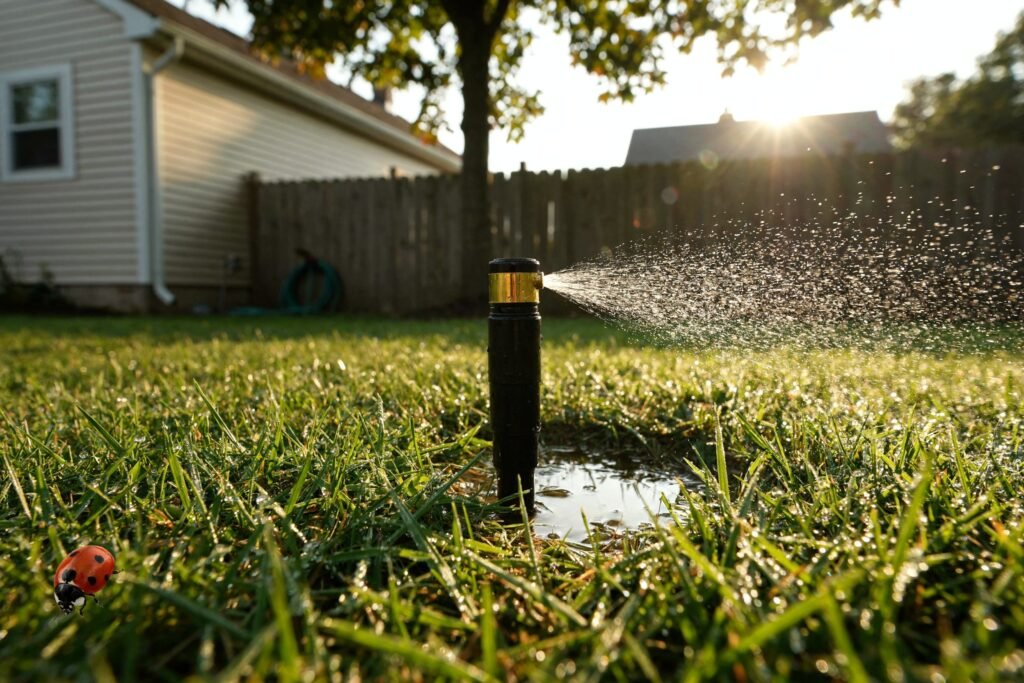
Sprinkler spraying after shutoff is one of the most common problems homeowners run into with an irrigation system, and it is a frustrating one. You hear the controller click off. The cycle is over. Yet one head is still dribbling, or a whole zone is still throwing water across the lawn like nobody told it to stop. It is annoying, it wastes water, and if it goes on long enough it turns your yard into a swamp and pushes up your water bill.
So, what causes a sprinkler spraying after shutoff in the first place? In most homes the cause is one of seven things: low head drainage, debris in the zone valve, a worn diaphragm, a loose or faulty solenoid, an open bleed screw, a controller problem, or water pressure that is too high. Most are cheap to fix, and you can often do it in under an hour.
This guide explains each cause in plain language, shows you how to tell them apart, and gives you a troubleshooting order so you do not waste money replacing parts you do not need.
Table of Contents
Sprinkler Spraying After Shutoff: The Quick Answer
If the water stops by itself within a few minutes, you almost certainly have low head drainage, which is physics, not a broken valve. If water keeps coming out for as long as you watch, you have a valve problem or a controller problem. That one observation saves hours of guessing.
First, Watch How the Water Behaves
Run the zone for a minute, let the controller shut it off, and watch with a timer. Look at two things.
How long does it keep spraying? Water that fades and stops within a few minutes points to leftover water draining from the pipes. Water that never stops points to a valve that is not sealing.
Which heads are affected? If only the lowest sprinkler in the zone weeps, that is a classic drainage pattern. If every head keeps running, suspect the valve.
Also listen the next time the zone starts. Heads that spit and sputter air before the water arrives mean the pipes drained completely after the last cycle.
Cause 1: Low Head Drainage (The Most Common One)
Water runs downhill, even inside underground pipes. When the valve closes, the pipe is still full. On a slope, that water flows to the lowest point and pushes out of the lowest head until the pipe empties.
The slope does not need to be dramatic. According to Toro, low head drainage can show up with an elevation change of less than six inches, and the runoff can cause erosion, pooling around heads, and slippery sidewalks.
How to confirm it. Water dribbles from the lowest heads right after the cycle ends, and the flow slowly shrinks until it stops. Hunter describes the same symptom: spray bodies leak after the valve shuts off, and the flow reduces over time.
How to fix it. Install a check valve, which holds water in the pipe instead of letting it escape through the head. You have three options:
- Replace the sprinkler body with one that has a built-in check valve. This is usually the easiest route, and most major brands offer it.
- Add an inline check valve between the riser and the sprinkler. It works, but it raises the head by a few inches, so you will need to lower the riser.
- Use a taller-range check valve on steep slopes. Hunter notes that its built-in check valves hold back about 7 feet of elevation, and for extreme slopes an add-on like the HCV check valve covers a much bigger range.
Rain Bird explains how check valves hold water back where elevation changes occur, and the Irrigation Association has a page on pop-up sprinkler head check valves if you want an independent view.
One rule: fix the valve first, then deal with drainage. It is common to have both, and a leaking valve hides the real drainage pattern.
Cause 2: Debris Stuck in the Zone Valve
This is the top reason a zone refuses to shut off. Your valve has a rubber diaphragm that presses against a seat to stop the water. If a pebble, sand, or a bit of root gets between them, it cannot seal, and water keeps passing through.
Debris usually enters after repairs, after a main line break, in spring startup, or in areas with well water or sandy soil.
Signs of debris:
- A whole zone keeps running after the controller says it is off
- The zone leaks a little all the time
- Water pools in or around the valve box
- Problems began after pipe work or a hard freeze
How to fix it:
- Shut off the main water supply to the irrigation system. Hunter specifically warns to turn off the main water first, since opening a pressurized valve can injure you.
- Open the valve box and find the valve for the problem zone.
- Unscrew the bonnet (top cover), noting how the spring and diaphragm sit.
- Rinse the diaphragm with clean water, wipe the seat, and clear any grit.
- Reassemble in exactly the same order and orientation, then slowly turn the water back on.
Orientation matters. A spring or diaphragm put back the wrong way causes the same problem you were trying to fix.
Cause 3: A Worn, Torn, or Stuck Diaphragm
If cleaning does not help, the diaphragm may be damaged. Rubber hardens, cracks, and tears over the years, especially with sediment-heavy water, and a damaged diaphragm cannot hold pressure.
A simple test from home service guides: shut off the water for roughly ten minutes, then turn it back on. If water flows right away from a zone that should be off, the diaphragm is likely stuck open or damaged.
The fix: buy a diaphragm kit that matches your valve brand and model, since Rain Bird, Hunter, Toro, and Irritrol all use different parts. Replace worn O-rings while you are in there. If the valve body is cracked, replace the whole valve. Angi puts valve replacement at roughly $13 to $150 depending on type.
Cause 4: A Loose or Faulty Solenoid
The solenoid is the small cylinder with two wires on top of your valve. When the controller sends 24 volts, it lifts a plunger and the valve opens. When power stops, the plunger drops and the valve closes.
Several things can go wrong:
- The solenoid is loose. A loose solenoid can leave an internal bleed path open. Rain Bird’s chart lists it as an early check when a valve will not shut off, and the remedy is to tighten the solenoid by hand.
- The plunger is dirty or stuck. After shutting off the water, unscrew the solenoid counter-clockwise and make sure the plunger moves freely.
- A damaged O-ring lets water seep past.
- A failed solenoid that is electrically or mechanically stuck.
Do not assume the solenoid is bad before checking the diaphragm and debris. Pros will tell you the problem is usually inside the valve body, not the electrical parts.
Cause 5: The Bleed Screw or Flow Control Is Open
Most zone valves have a manual bleed screw and a flow control handle. If someone left the bleed screw open or the flow control in the wrong position, the valve can stay partly open even with the controller off.
Look for the bleed screw on top of the valve and make sure it is fully closed (clockwise). It takes thirty seconds and solves many mystery zones.
Cause 6: A Controller or Wiring Problem
Sometimes the valve is healthy and the controller keeps telling it to stay on. Check for:
- Manual mode or a manual start left running
- Run times that are far too long
- Overlapping programs or stacked start times
- Wiring faults, such as a short in the common or zone wire
- A stuck relay or failing controller
A useful test: cut the 24-volt power at the controller. If the zone still runs, the problem is in the valve. If it stops, the controller or wiring is the issue.
Old mechanical timers cause more trouble. If yours is aging, our guide to the best smart sprinkler controller for large lawns covers models with remote shut-off and alerts when a zone runs too long.
Cause 7: Water Pressure That Is Too High
Excess pressure can push a diaphragm to leak and make heads mist or weep after shutoff. If you have a high-pressure municipal line and no regulator on the irrigation system, valves and heads work harder than they were designed to.
Symptoms include misting nozzles, heads that pop up with a bang, and valves that fail often. A pressure regulator is a straightforward fix. Pressure problems also cause uneven spray, which we cover in our article on why your sprinkler system waters unevenly.
How to Fix Sprinkler Spraying After Shutoff: The Best Troubleshooting Order
Work from the cheapest check to the hardest.
- Time the problem. Stops in a few minutes: low head drainage. Never stops: valve or controller.
- Turn off the irrigation main shut-off. If the spraying stops, the water supply is the source.
- Check the controller for manual mode, long runtimes, and overlapping programs.
- Find the right valve. Twist each solenoid slightly to see which one feeds the problem zone.
- Tighten the solenoid and close the bleed screw.
- Clean the valve and check for grit.
- Replace the diaphragm and O-rings if cleaning fails.
- Replace the solenoid or valve only after those steps.
- Add check valves if only the lowest heads weep and it stops on its own.
Safety reminder: shut off the water and power before opening any valve or touching wiring.
What Is It Costing You?
A sprinkler spraying after shutoff is easy to ignore, but it adds up. The EPA’s WaterSense program notes that leaks and broken sprinklers can waste up to 25,000 gallons of water and about $280 over a six-month irrigation season. Constant pooling also causes erosion, turf disease, mosquito breeding, and sunken spots in the lawn.
When to Call a Professional
Call a certified pro if you cannot find which valve controls the problem zone, the valve body is cracked, you suspect a wiring short, or fixes keep failing. The EPA lets you find an irrigation professional certified by a WaterSense labeled program.
How to Prevent Sprinkler Spraying After Shutoff
- Flush the system each spring before running full cycles.
- Inspect valve boxes a couple of times a season.
- Use heads with built-in check valves whenever you replace sprinklers on slopes.
- Replace aging diaphragms every several years if your water carries sediment.
- Add a pressure regulator if pressure exceeds your components’ rating.
- Walk each zone once a month while it runs and right after it shuts off.
EPA’s Sprinkler Spruce-Up checklist is a handy inspection guide, and our blog has more repair and maintenance guides. If you want to cut overspray entirely in a vegetable bed, see our review of the best drip irrigation kit for vegetable gardens.
Frequently Asked Questions
Why is my sprinkler spraying after shutoff from just one head?
If only the lowest head leaks and it stops after a few minutes, it is most likely low head drainage on a slope, and a check valve solves it. If the leaking never stops, look at the zone valve for debris or a worn diaphragm.
How long should sprinklers spray after they turn off?
They should stop almost immediately. A few minutes of dribble from the lowest head can be low head drainage. Anything longer signals a leaking valve or controller problem.
Can a bad solenoid cause a sprinkler to stay on?
Yes. A loose, dirty, or stuck solenoid can keep a valve open. Tighten it, clean the plunger, and check the O-ring before replacing it, then check the diaphragm too.
How much does it cost to fix a valve that will not shut off?
A diaphragm kit or solenoid is inexpensive compared to a full valve, and professional repair adds labor. Costs vary by brand and location.
Do I need to winterize my sprinkler system?
Winterizing protects valves and pipes from freeze damage that can crack valve bodies and cause leaks next season. The EPA includes it in its annual home maintenance checklist.
Final Thoughts
A sprinkler spraying after shutoff rarely means you need a new system. Time the problem, decide whether it is drainage or a stuck valve, and work through the fixes in order: check valves, controller settings, solenoid and bleed screw, debris, then the diaphragm. Most homeowners solve it with a screwdriver and a small part.
For more practical guides on keeping your system running well, browse the HydroSprinkler blog.