
Introduction
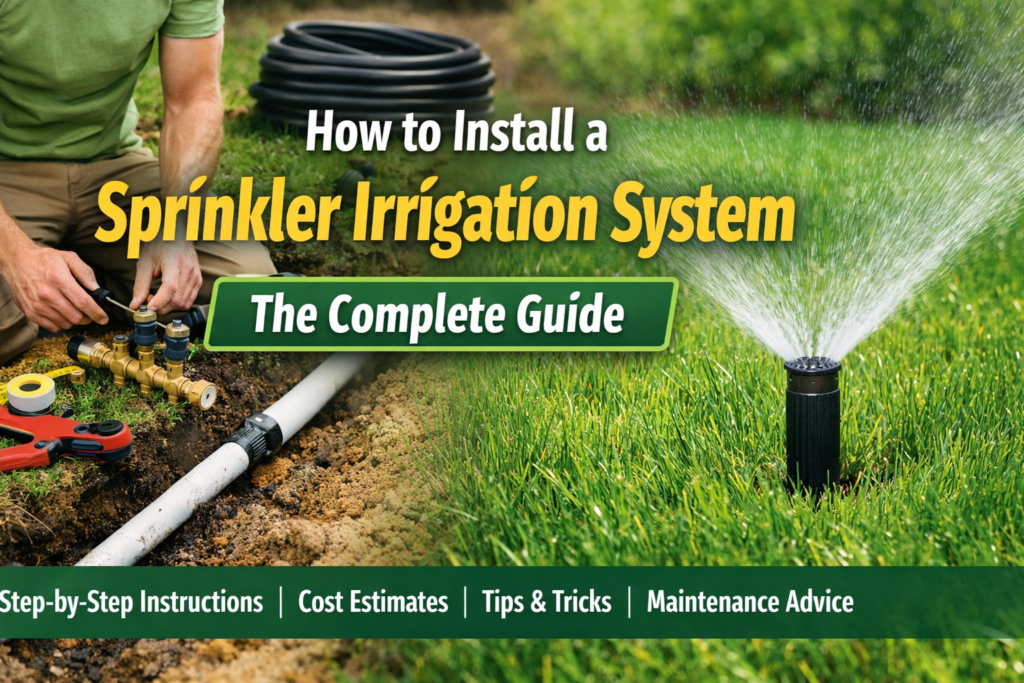
How to install a sprinkler irrigation system is a question many homeowners ask when looking for a more efficient way to water their lawn. A properly installed system saves time, reduces water waste, and keeps your grass and plants healthy throughout the year.
Maintaining a sprinkler system is essential for a healthy lawn. For tips on keeping your home and garden clean, visit Vacuum and Mop for expert advice.
Table of Contents
What Is a Sprinkler Irrigation System?
A sprinkler irrigation system is an automated watering system that distributes water across your lawn or garden through a network of pipes and sprinkler heads. It is designed to deliver water evenly, helping grass, plants, and landscaping grow healthy without manual watering.
If you’re learning how to install a sprinkler irrigation system, it’s important to first understand how it works and what components are involved.
How Does It Work?
A sprinkler irrigation system connects to your main water supply. When activated—either manually or through a timer—the system pushes water through underground pipes. The water then flows to sprinkler heads placed throughout your yard, where it sprays in a controlled pattern to cover specific areas.
Most modern systems are divided into zones, allowing different sections of your lawn to be watered separately based on sun exposure, plant type, or soil conditions.
Main Components of a Sprinkler Irrigation System
- Controller (Timer): Schedules when and how long the system runs
- Valves: Control water flow to each zone
- Pipes: Carry water underground to sprinkler heads
- Sprinkler Heads: Spray water in adjustable patterns
- Backflow Preventer: Protects your drinking water from contamination
Why Homeowners Install One
A sprinkler irrigation system saves time, improves water efficiency, and ensures consistent lawn health. Instead of dragging hoses around, the system works automatically, delivering the right amount of water exactly where it’s needed.
Benefits of Installing a Sprinkler Irrigation System
Installing a sprinkler irrigation system offers long-term advantages for homeowners who want a healthy lawn without daily manual watering. If you’re researching how to install a sprinkler irrigation system, understanding these benefits will help you see why it’s a smart investment.
1. Saves Time and Effort
A sprinkler irrigation system works automatically. Once programmed, it waters your lawn on schedule without you needing to move hoses or stand outside with a sprinkler. This saves hours of work every week.
2. Improves Water Efficiency
Modern systems are designed to distribute water evenly and reduce waste. Zoned watering ensures each area receives the right amount of water, preventing overwatering or underwatering. When learning how to install a sprinkler irrigation system, proper planning helps maximise efficiency.
3. Promotes Healthier Lawn and Plants
Consistent watering leads to stronger root growth and greener grass. Unlike manual watering, which can be uneven, a sprinkler system provides uniform coverage, helping plants grow evenly.
4. Increases Property Value
A well-maintained lawn improves kerb appeal. People often view an installed irrigation system as a valuable upgrade, particularly in areas where lawn care is crucial.
5. Customisable and Convenient
You can adjust watering schedules based on weather, soil type, and plant needs. Many modern controllers even allow smart scheduling, making lawn care more convenient.
6. Reduces Water Bills (When Properly Installed)
When designed correctly, sprinkler systems prevent overwatering and runoff. Understanding how to install a sprinkler irrigation system properly ensures you use water efficiently and avoid unnecessary costs.
Tools and Materials You’ll Need
Before you start learning how to install a sprinkler irrigation system, it’s essential to gather the right tools and materials. Having everything ready will make the installation process smoother, faster, and more efficient.
Essential Tools
- Shovel or Trenching Tool – For digging trenches for pipes
- Pipe Cutter or Hacksaw – To cut PVC pipes to the correct length
- Measuring Tape – To measure your lawn and determine pipe and sprinkler placement
- Teflon Tape – To seal threaded pipe connections and prevent leaks
- Screwdriver / Wrench – For assembling valves, manifolds, and sprinkler heads
- Level – To ensure pipes and sprinkler heads are installed evenly
- Sprinkler Head Adjustment Tool – Optional, for adjusting spray patterns
Essential Materials
- PVC Pipes – Main lines and lateral lines to carry water
- Sprinkler Heads – Fixed, rotating, or pop-up types depending on your lawn
- Control Valves and Manifold – To divide the system into zones
- Controller (Timer) – To schedule watering automatically
- Backflow Preventer – Prevents contaminated water from entering your home supply
- Pipe Fittings and Connectors – Elbows, tees, and couplings to connect pipes
- Pipe Glue / Primer – For secure and leak-free PVC connections
- Pressure Regulator – Ensures the system operates at the correct pressure
How to Install a Sprinkler Irrigation System (Step-by-Step Guide)
Installing a sprinkler system andhow to turn hydro sprinkler system may seem complicated, but if you follow this guide, learning how to install a sprinkler irrigation system becomes straightforward. This step-by-step process covers everything from planning to testing.
When inspecting your system, make sure you know the type of sprinklers installed. If you’re unsure, check out How it works Sprinkler Irrigation System for a complete overview.
Step 1: Plan Your Sprinkler Layout
- Measure your lawn and garden areas accurately.
- Determine water source and water pressure.
- Decide on zones—each zone will be watered separately for efficiency.
- Sketch the placement of pipes and sprinkler heads. Proper spacing ensures even coverage.
Step 2: Mark and Dig Trenches
- Use spray paint or stakes to mark where pipes will run.
- Dig trenches about 6–12 inches deep depending on pipe size.
- Make trenches slightly sloped to allow proper drainage.
Step 3: Install the Main Water Line
- Connect your system to the main water supply.
- Install a backflow preventer to protect drinking water.
- Add a pressure regulator if needed to ensure optimal sprinkler operation.
Step 4: Lay PVC Pipes
- Cut PVC pipes to fit your layout using a pipe cutter or hacksaw.
- Connect pipes using Teflon tape and PVC glue for secure, leak-free joints.
- Run pipes through trenches to each zone and sprinkler head location.
Step 5: Install Valves and Manifold
- Connect control valves to the main line and divide the system into zones.
- Place valves in a valve box for easy access.
- Connect the valves to your irrigation controller using low-voltage wiring.
Step 6: Install Sprinkler Heads
- Attach sprinkler heads to lateral pipes at marked locations.
- Adjust heads to cover the intended area without overspray.
- Ensure heads are level with the ground or slightly above for proper operation.
Step 7: Connect and Program the Controller
- Mount your controller in a dry, accessible location.
- Connect wiring from valves to controller terminals.
- Program watering schedules based on zones, plant type, and local climate.
Step 8: Test the System
- Turn on each zone to check for leaks or blockages.
- Adjust sprinkler heads for uniform coverage.
- Verify water pressure and make any necessary corrections.
Common Mistakes to Avoid When Installing a Sprinkler Irrigation System
When learning how to install a sprinkler irrigation system, avoiding common mistakes can save you time, money, and frustration. Many DIY installations fail to perform efficiently because of simple errors that are easy to prevent.
Incorrect Sprinkler Head Spacing
Placing sprinkler heads too far apart or too close together can lead to uneven watering. Too far causes dry patches, while too close wastes water. Plan your layout carefully based on each sprinkler’s spray radius.
Not Checking Water Pressure
Each sprinkler head requires a certain water pressure to operate effectively. Low pressure may prevent heads from fully rotating, while high pressure can cause misting and water waste. Always measure your system’s pressure before installation.
Using the Wrong Pipe Size
Pipes that are too small can reduce water flow, and oversized pipes can be unnecessarily expensive. Match pipe size to your system’s design and zone requirements for optimal performance.
Skipping the Backflow Preventer
A backflow preventer protects your drinking water from contamination. Omitting this component is not only unsafe but also often violates local plumbing codes.
Poor Trench Depth or Alignment
Pipes laid too shallow risk damage from lawn equipment, while uneven trenches can create low spots and uneven water distribution. Ensure trenches are deep enough and level.
Not Testing the System Before Covering Pipes
Many issues only become visible once water is turned on. Always test each zone and check for leaks or misaligned sprinkler heads before burying pipes.
Ignoring Seasonal Maintenance
Even a well-installed system can fail if not maintained. Clean heads, inspect valves, and winterise in cold climates to prolong system life.
How Much Does It Cost to Install a Sprinkler Irrigation System?
If you’re planning a DIY project or hiring a professional, understanding how to install a sprinkler irrigation system also means knowing the potential costs. The total price can vary widely depending on the size of your lawn, system complexity, and whether you do it yourself or hire an expert.
DIY Installation Costs
Installing a sprinkler system yourself is usually cheaper but requires time, tools, and materials. Typical costs include:
- PVC Pipes and Fittings: $100–$300 for an average yard
- Sprinkler Heads: $50–$200 depending on type and number
- Controller (Timer): $50–$250
- Valves and Manifold: $50–$150
- Additional Tools/Materials: $50–$150
Estimated DIY Cost: $300–$1,000 for an average residential lawn
Professional Installation Costs
Hiring a professional can save time and ensure correct installation, but it costs more. Factors affecting price include:
- Lawn size and number of zones
- Complexity of landscaping
- Pipe materials and sprinkler types
- Labour charges in your area
Estimated Professional Cost: $1,500–$3,500 for a standard residential system
Factors That Can Affect Costs
- Lawn Size: Larger lawns require more pipes, heads, and water pressure management.
- System Type: Pop-up sprinklers, drip irrigation, or smart controllers increase cost.
- Material Quality: Premium PVC, stainless steel fittings, or advanced controllers raise prices.
- Local Labour Rates: Professional installation costs vary by region.
Tips to Save Money
- Plan your layout carefully to reduce wasted materials.
- Buy tools and materials in kits if available.
- Compare quotes from multiple contractors if hiring professionals.
- Consider installing in stages for large lawns.
Understanding the costs helps you budget properly when learning how to install a sprinkler irrigation system. Whether DIY or professional, investing in the right materials and planning ensures a system that saves water, time, and money over the long term.
Maintenance Tips After Installation
After learning how to install a sprinkler irrigation system, proper maintenance is essential to keep it working efficiently for years. Regular inspection and simple upkeep can prevent costly repairs and ensure your lawn stays healthy.
Inspect the System Regularly
Check your sprinkler system at least once a month during the watering season. Look for:
- Leaking pipes
- Broken or clogged sprinkler heads
- Uneven water spray
Early detection prevents small issues from becoming expensive repairs.
Clean Sprinkler Heads
Dirt and debris can block water flow. Remove and rinse clogged heads to maintain proper spray patterns. Clean heads ensure even watering and prevent dry patches.
Adjust Spray Patterns
Over time, sprinkler heads may shift due to foot traffic or lawn equipment. Make sure the spray is directed toward grass and plants, not sidewalks or driveways. Proper adjustment improves water efficiency.
Check for Leaks.
Underground leaks may cause soggy spots or low water pressure. If you notice reduced performance, inspect pipes and fittings immediately.
Monitor Water Pressure
Too much pressure can damage components, while low pressure affects coverage. A pressure regulator helps maintain optimal performance.
Update Your Watering Schedule
Adjust your controller settings based on the season. Lawns typically need less water during cooler months. Smart scheduling reduces water waste and lowers utility bills.
Winterise the System (Cold Climates)
If you live in a cold region, drain the system or use an air compressor to remove water from pipes before winter. This prevents freezing and pipe damage.
Conclusion
Installing a sprinkler system is one of the best upgrades you can make for your lawn. By understanding how to install a sprinkler irrigation system, you can create an efficient, automated watering solution that saves time, reduces water waste, and keeps your yard healthy all year long.
Frequently Asked Questions (FAQs)
1. Can I install a sprinkler irrigation system myself?
Yes, many homeowners successfully complete a DIY installation. If you carefully plan the layout, measure water pressure, and follow proper installation steps, learning how to install a sprinkler irrigation system is manageable. However, large or complex lawns may require professional help.
2. How long does it take to install a sprinkler irrigation system?
For an average-sized residential lawn, a DIY installation typically takes 1–3 days, depending on experience and yard size. Professional installers can often complete the job in one day.
3. How deep should sprinkler pipes be buried?
In most residential installations, pipes are buried 6–12 inches deep. This protects them from damage caused by lawn equipment and foot traffic. Depth may vary depending on climate and local regulations.
4. What size pipe should I use?
The correct pipe size depends on your water pressure and the number of sprinkler heads per zone. Most residential systems use ¾-inch or 1-inch PVC pipes for main lines and slightly smaller pipes for lateral lines.
5. How many sprinkler heads do I need?
This depends on your lawn size and sprinkler head spray radius. Proper head-to-head coverage ensures even watering. Planning is essential when deciding how to install a sprinkler irrigation system efficiently.
6.Will a sprinkler system increase my water bill?
If installed and programmed correctly, a sprinkler system can actually improve water efficiency. Smart controllers and proper zoning help prevent overwatering and reduce waste.
7. Do I need a backflow preventer?
Yes. A backflow preventer protects your drinking water from contamination. In many areas, it is required by local plumbing codes.