
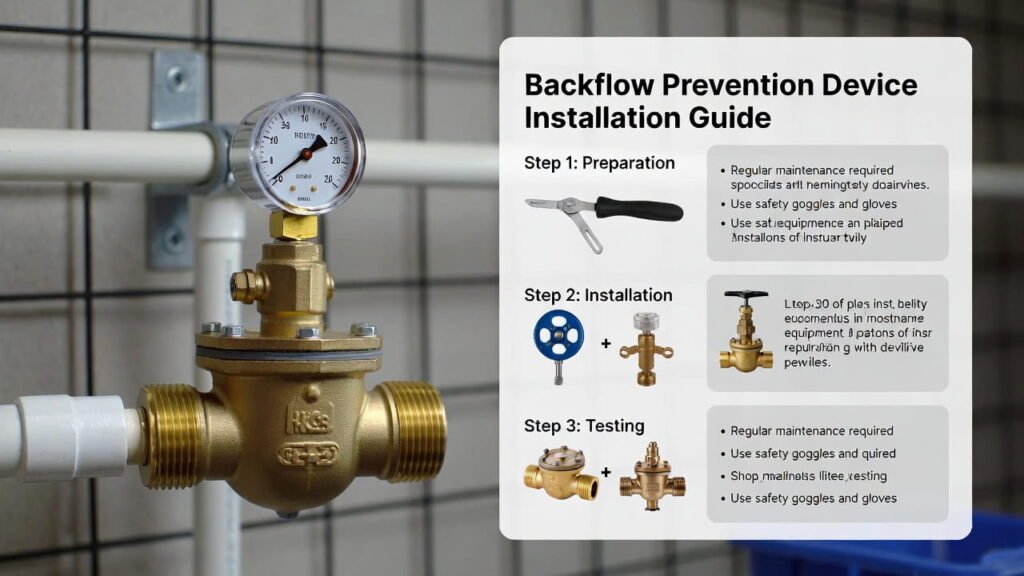
Introduction
A backflow device irrigation system is essential for keeping your home’s drinking water safe while you water your lawn or garden. Without proper protection, contaminated water from fertilisers, pesticides, soil, bacteria, or chemicals can flow backward into your clean water supply during pressure drops or surges—a dangerous situation known as backflow.Want to know how to install a sprinkler irrigation system? Check our step-by-step guide here
Table of Contents
What is Backflow in Irrigation Systems?
A backflow device irrigation system setup is essential for safety, but first, let’s understand what ‘backflow’ actually means.
Backflow occurs when water flows in the wrong direction—backward—through your irrigation pipes instead of the normal forward flow from the water supply to your sprinklers or drip lines. This reversal can pull or push contaminated water from your irrigation system back into the clean, potable (drinking) water supply that comes from your municipal line or well.
In simple terms, think of your home’s water line as a one-way street. Normally, fresh water moves toward your lawn. But during backflow, that “street” reverses, allowing dirty water to travel back toward the main supply.
There are two main types of backflow that can happen in irrigation systems:
- Back-siphonage: This is the most common type in residential setups. It happens when there’s a sudden drop in water pressure in the main supply line—such as during a water main break, heavy fire hydrant use, or a pump failure. The negative pressure acts like a vacuum or straw, sucking water (and any contaminants) backward from your irrigation lines into the potable supply.
- Back-pressure This occurs when pressure in your irrigation system becomes higher than the main supply pressure. For example, if you have a booster pump, elevated tanks, or chemical injection equipment, the higher downstream pressure can push contaminated water back upstream.
Without protection, backflow in an irrigation system can introduce harmful substances into drinking water, including:
- Fertilisers and pesticides from lawn treatments
- Bacteria, dirt, or animal waste from soil contact
- Chemicals or algae from standing water in pipes
Why You Need a Backflow Device for Your Irrigation System
Installing a backflow device irrigation system is one of the smartest steps you can take to protect your family’s health, your community’s water supply, and your wallet from potential issues.
Here’s why it’s essential:
1. Prevents Serious Health Risks from Contamination
Your irrigation system is in constant contact with soil, grass, fertilisers, pesticides, pet waste, bacteria, and other pollutants. During a backflow event—like a sudden drop in main water pressure—these contaminants can get sucked back into your home’s drinking water pipes or even the public supply.
People have gotten sick from drinking water contaminated this way, with risks ranging from stomach issues and infections to more severe health problems in documented cases. A proper backflow device irrigation system stops this reverse flow completely, acting as a reliable barrier to keep clean water clean.
2. Meets Legal and Code Requirements
In most places across the United States (and many other countries), local plumbing codes, building regulations, and water utility rules require backflow prevention on irrigation systems connected to potable water.
These rules come from standards like the International Plumbing Code, state drinking water regulations, and municipal ordinances. Irrigation setups are often classified as a “hazardous cross-connection” because of the potential for chemical or biological contamination. Skipping a backflow device irrigation system can lead to fines, failed inspections, or even water service shutoffs. Many areas also mandate annual testing by a certified professional to stay compliant.
3. Protects the Broader Community Water Supply
Your home’s irrigation system isn’t isolated—it’s tied into the same public water network as your neighbours’. If backflow happens, contaminants could affect multiple households. Water utilities take this seriously and run cross-connection control programmes to prevent it. By adding a backflow preventer, you’re helping safeguard everyone’s drinking water, not just your own.
4. Saves Money and Avoids Bigger Problems
- Avoid costly fines or penalties for non-compliance.
- Prevent expensive repairs if contamination leads to pipe damage or requires system flushing.
- Maintain good water pressure and system efficiency—some backflow devices also help regulate flow.
- Increase property value: Buyers and inspectors often check for proper backflow protection on irrigation systems.
5. It’s Simple Peace of Mind.
A well-chosen and installed backflow device irrigation system works quietly in the background. You water your lawn without worrying about hidden risks to your family’s health or legal headaches. It’s a small upfront investment that delivers long-term protection.
Types of Backflow Devices for Irrigation Systems
When setting up a backflow device irrigation system, choosing the right type is key. Different devices offer varying levels of protection, installation options, and costs. Most residential lawn irrigation systems use one of these common types, approved by plumbing codes and water utilities.
Here are the main ones used for irrigation:
- Atmospheric Vacuum Breaker (AVB): This is the simplest and cheapest option. It uses an air inlet valve that opens to break any vacuum when water flow stops, preventing back-siphonage only (not back-pressure).
- Pros: Very affordable, easy to install on individual zones or hose bibs.
- Cons: Cannot handle continuous pressure (no shutoff valves downstream), must be installed above the highest sprinkler head, and is often not allowed as the main system protector in many areas.
- Best for: Small hose-end or drip systems, low-hazard setups. Not ideal for full lawn irrigation.
- Pressure Vacuum Breaker (PVB):
- The most popular choice for home backflow device irrigation system setups. It includes a spring-loaded check valve and an air inlet valve, plus shutoff valves and test cocks for annual testing.
- Pros: Inexpensive, simple design, easy to install and maintain, protects against back-siphonage under continuous pressure.
- Cons: Only protects against back-siphonage (not back-pressure), must be installed 12 inches above the highest sprinkler head and above ground.
- Best for: Standard residential lawn sprinkler systems with low to moderate hazard (no chemical injection).
- Double Check Valve Assembly (DCVA or DCA) Features two independent spring-loaded check valves, shutoff valves, and four test cocks. It protects against both back-siphonage and low-level back-pressure.
- Pros: More protection than PVB, can often be installed below ground (in a vault) if codes allow, compact.
- Cons: More expensive than PVB, requires annual testing, may need vertical installation in some areas.
- Best for: Residential or light commercial irrigation where back pressure is possible but hazard level is low to moderate.
- Reduced Pressure Zone Assembly (RPZ or RPZA) The highest level of protection. It has two check valves separated by a relief valve that dumps water if pressure drops, plus shutoff valves and test cocks.
- Pros: Protects against both back-siphonage and back-pressure, even in high-hazard situations; very reliable.
- Cons: Most expensive and complex, must be installed above ground with clearance below for discharge, requires frequent testing and maintenance.
- Best for: Commercial irrigation systems with fertilisers/chemicals or high-hazard classifications per local codes.
How to Choose the Right Backflow Device for Your Irrigation System
Selecting the best backflow device irrigation system option ensures safety, compliance, and reliable performance. The choice depends on a few key factors—here’s a straightforward guide to help you decide.
Step 1: Check Your Local Codes and Regulations First
Local plumbing codes, building regulations, and water utility rules dictate what types are allowed (and often required).
- Contact your municipal water department, county building office, or a licensed plumber/backflow tester.
- Many areas approve PVB (Pressure Vacuum Breaker) for standard residential use, while others require DCVA (Double Check Valve Assembly) or even RPZ (Reduced Pressure Zone) for certain setups.
- Rules can vary by city—even neighboring areas may differ—so never assume. This is the most important step to avoid fines or failed inspections.
Step 2: Assess Your System’s Hazard Level
Hazard level is based on potential contaminants in your irrigation water:
- Low hazard (typical for most home lawns): Fertilizers, pesticides, soil, or pet waste pose moderate risk. → PVB or DCVA usually sufficient.
- High hazard (e.g., chemical injection, fertilizers mixed directly, commercial farms, or added dyes/fertilizers): Higher contamination risk. → RPZ required for maximum protection against both back-siphonage and back-pressure.
Step 3: Consider Installation Location and Site Conditions
- Can you install above ground and at least 12 inches above the highest sprinkler head? → PVB works well and is affordable.
- Need underground or below-grade installation (e.g., in a vault for aesthetics or freeze protection)? → DCVA is often allowed; PVB usually isn’t.
- Do you have freezing winters? → Choose devices that can be drained or protected; RPZ needs above-ground placement with clearance for discharge.
- System layout: Flat property and standard pressure? PVB is easy. Hilly terrain or booster pumps? Consider DCVA or RPZ for back-pressure risks.
Step 4: Factor in Budget and Maintenance
- PVB: Lowest cost, simplest maintenance, annual testing required in most places.
- DCVA: Medium cost, more durable for underground use, annual testing.
- RPZ: Highest cost and complexity, but best protection; requires more frequent checks and space for relief valve discharge. Think long-term: Cheaper upfront might mean easier winterizing or testing.
Step 5: Evaluate Your Specific Setup
- Standard residential lawn sprinkler (no chemicals injected)? → PVB is the go-to choice in many areas.
- Drip irrigation or small garden? → Sometimes simpler options like anti-siphon valves suffice, but check codes.
- Commercial, farm, or chemical use? → Lean toward RPZ.
- Private well? → Still often need protection due to cross-connection risks—confirm with local rules.
Step-by-Step Installation Guide for Backflow Devices
Important Disclaimer: Installing a backflow device irrigation system often requires permits, inspections, and compliance with local plumbing codes. Many areas mandate professional installation by a licensed plumber or certified irrigation specialist—especially for PVB, DCVA, or RPZ types—to ensure safety, legality, and proper function. DIY attempts can void warranties, fail inspections, or create hazards. Always check your local water utility, building department, or codes first. This guide provides a general overview for informational purposes; hire a pro for best results.
Here’s a clear, step-by-step process focused on common residential irrigation setups (e.g., PVB or DCVA). Steps vary slightly by type and pipe material (PVC, copper, etc.).
General Preparation
- Confirm the correct type (PVB, DCVA, RPZ) per local rules and your system’s needs.
- Buy certified, approved models (e.g., USC or ASSE listed) from reputable brands like Watts, Febco, Wilkins, or Rain Bird.
- Gather tools/materials: Pipe cutter, measuring tape, PVC primer/glue (or fittings for other pipes), Teflon tape or pipe dope, adjustable wrench, shutoff valves/unions (recommended), level, and possibly a valve box or enclosure.
Step 1: Check Codes and Get Permits
Contact your local water authority or building department. Many require a permit, professional install, and initial certification test after setup. Note requirements like:
- PVB: Must be 12 inches above the highest sprinkler head and finished grade.
- DCVA: Often allowed below ground in a vault.
- RPZ: Must be above ground with space for relief valve discharge.
Step 2: Shut Off Water and Drain the Line
Turn off the main water supply to your irrigation line (usually at the shutoff valve near the house or meter). Open downstream valves or faucets to drain residual water and relieve pressure. This prevents flooding or injury.
Step 3: Locate and Prepare the Installation Spot
- Install the device as close as possible to the water source (after the meter/shutoff but before irrigation valves/manifold).
- For PVB: Run a vertical riser from the supply line; ensure the device will sit at least 12 inches above the highest outlet (sprinkler head) and grade.
- For DCVA: Prepare a valve box or vault for below-ground placement if allowed.
- For RPZ: Choose an above-ground spot with drainage space below for potential discharge.
Mark and measure pipe sections carefully—dry-fit everything first.
Step 4: Cut and Prepare the Pipe
Shut off upstream supply if needed. Cut the existing supply pipe at the chosen spot using a pipe cutter for clean, square ends.
- Deburr edges and clean ends.
- Add isolation shutoff valves (ball valves) upstream and downstream if not included—highly recommended for future maintenance.
- Use unions or flexible fittings on both sides for easy removal/testing later.
Step 5: Install the Backflow Device
- Orient correctly: The arrow on the body points in the direction of normal flow (toward the irrigation system).
- For PVB: Mount vertically on the riser; inlet down, outlet up. Connect the supply to the inlet and the irrigation manifold to the outlet. Ensure height compliance.
- For DCVA: Connect inline (horizontal or vertical per model); place in vault if underground.
- For RPZ: Install horizontally or per manufacturer; ensure relief valve points downward with clearance.
- Apply primer/glue (for PVC) or thread tape/fittings securely. Tighten threaded connections hand-tight plus 1-2 turns with a wrench—avoid over-tightening.
- Level the device and support piping to prevent stress.
Step 6: Test for Leaks and Restore Water
- Slowly turn water back on. Check all connections for leaks.
- Open downstream valves gradually to fill the system.
- Inspect for drips; tighten if needed.
- Pressure-test the full assembly per local requirements.
Step 7: Final Steps and Certification
- Install any required enclosures, valve boxes, or winterisation drains.
- Slope piping away from the device to aid drainage.
- Schedule a certified backflow tester for initial testing (often required before backfilling or activation).
- Document everything for records/inspections.
Maintenance and Testing Your Backflow Device
Regular maintenance and testing keep your backflow device irrigation system working reliably, prevent contamination risks, and ensure you stay compliant with local rules. Neglecting this can lead to failures, fines, or health hazards .After setup, learn how to maintain a sprinkler system for long life
Why Maintenance and Testing Matter
Backflow preventers are mechanical devices with valves, springs, and seals that wear out over time from water flow, debris, weather, or age. Routine care catches issues early, while required testing confirms the device stops reverse flow properly. Many areas report 10–20% failure rates on annual tests, especially for older units.
Annual Testing (Usually Required)
Most US states, cities, and water utilities mandate annual testing for irrigation backflow devices (PVB, DCVA, RPZ) by a certified backflow prevention assembly tester (BPAT).
- When: Test in spring before startup, or as required (some areas allow within a reasonable time after seasonal activation).
- What it involves: A pro uses gauges to check check valves, relief valves (on RPZ), air inlets, and overall performance under pressure. They simulate conditions to verify no backflow occurs.
- Who does it: Hire a licensed/certified tester—DIY testing isn’t accepted. Results go to your water utility in a report.
- Cost: Typically $75–$200, depending on location and device type.
- If it fails: The tester notes issues (e.g., leaky valve, low closing pressure). Repair or replace parts immediately—many devices need overhaul every 5–10 years.
Routine Home Maintenance Tasks
You can handle basic upkeep yourself between professional tests:
- Inspect visually (monthly or seasonally): Look for leaks, drips from relief valves, corrosion, cracks, or damage. Check shutoff valves move freely.
- Clean the area: Remove dirt, grass, leaves, or debris around the device to prevent clogs or blockages. Keep the relief valve discharge path clear (especially for RPZ).
- Check for unusual signs: Watch for standing water near the device, reduced irrigation pressure, discoloured water, odd noises, or constant dripping (beyond normal brief discharge).
- Winterise in cold climates: Drain the device completely to prevent freeze damage—open test cocks, shutoff valves, and low-point drains; blow out lines if needed. Some models have built-in drain valves.
- Lubricate if needed: Apply a light lubricant (like silicone-based) to valve stems to prevent seizing from corrosion—avoid petroleum products that degrade seals.
Signs Your Backflow Device Needs Attention
- Leaking or constant discharge from the relief valve (RPZ).
- Reduced water pressure in the irrigation system.
- Wet spots or puddles around the device that persist.
- Failed annual test report.
- Device over 5–10 years old without recent service. If you spot these, call a certified pro right away—don’t wait for the next test.
Quick Schedule Tips
- Spring: Professional test + startup inspection.
- Summer/Fall: Visual checks after heavy use or storms.
- Winter: Full drain and shutoff.
- Every 5 years: Consider internal overhaul (replace rubber parts) even if tests pass.
Common Problems and Troubleshooting
Even a well-installed backflow device irrigation system can develop issues over time due to wear, debris, weather, or improper use. Recognising problems early helps avoid contamination risks, failed tests, or costly repairs. Below are the most common issues, their symptoms, causes, and straightforward fixes.
Use this table for quick reference:
| Problem | Symptoms | Common Causes | Troubleshooting & Fixes |
|---|---|---|---|
| Constant or Excessive Leaking | Water drips steadily from relief valve (RPZ), vent (PVB), test cocks, or body seams | Debris in check valves, worn O-rings/seals, damaged springs, corrosion, freeze cracks | Shut off water, clean debris (flush assembly), replace worn seals/O-rings with rebuild kit. For freeze damage, replace cracked parts. Call certified tester if persistent. |
| Brief Dripping After Shutdown | Short drip from PVB vent or RPZ relief after irrigation cycle ends | Normal pressure relief (brief only) | Monitor—if stops quickly, it’s usually fine. If constant, check for stuck valve or debris; clean or rebuild. |
| Reduced Water Pressure | Weak sprinkler flow, zones don’t fully cover | Stuck or partially closed check valve, debris buildup, broken internal parts | Inspect visually for damage. Flush system. If issue persists, have pro disassemble/clean or replace faulty check valve. |
| Failed Annual Test | Tester reports failed check valves, relief valve, or low closing pressure | Worn springs/seals, debris/mineral buildup, age-related wear | Follow tester’s repair recommendations—often replace specific parts (e.g., check valve kit). Retest after fix. |
| Freeze Damage | Cracks in plastic body/bonnet (common in PVB), leaking after cold weather | Water left in device during freeze, no proper winterization | Prevent by fully draining in fall. For damage, replace affected parts (often bonnet or entire unit in severe cases). |
| Unusual Noises (Banging, Thumping, Hissing) | Hammering sounds or constant hissing | Water hammer from fast valve closure, pressure surges, air in lines | Install pressure-reducing valve if needed. Add delay between zones on controller. Check for loose fittings. |
| Constant Discharge from RPZ Relief Valve | Steady water flow from bottom relief port | Pressure fluctuations, faulty relief valve, high downstream pressure | Stabilize system pressure. Clean or rebuild relief valve. Pro may need to adjust or replace assembly. |
When to Call a Professional
Most simple fixes (cleaning debris and replacing basic seals) can be DIY if you’re comfortable, but always:
- Shut off water first.
- Avoid over-tightening fittings.
- For anything involving internal disassembly, annual test failures, or RPZ adjustments, hire a certified backflow tester or plumber—they have tools and know local codes.
- If your device is over 5–10 years old and showing multiple issues, consider full replacement for reliability.
Prevention Tips
- Winterise properly every fall (drain fully).
- Keep area clear of dirt/debris.
- Schedule annual testing—catches 90% of problems early.
- Install unions/shutoff valves for easy access during repairs.
Conclusion
A backflow device irrigation system is more than just a plumbing requirement—it’s your first and best line of defence against contaminating the clean drinking water you and your family rely on every day. By preventing reverse flow from your irrigation lines—loaded with fertilisers, pesticides, soil, bacteria, and other potential hazards—you protect not only your household but also your neighbours and the broader public water supply. While keeping your lawn green, don’t forget home cleaning too
In this guide, we covered the essentials:
- What backflow is and how it happens in irrigation setups
- Why every connected irrigation system needs proper protection
- The main types of backflow preventers (PVB, DCVA, RPZ, and more) and when to use each
- How to choose the right device based on codes, hazard level, and your property
- Step-by-step installation considerations (with a strong recommendation for professional help)
- Ongoing maintenance, annual testing, and troubleshooting common issues
The bottom line is simple: Installing and maintaining a code-compliant backflow device irrigation system is one of the easiest, most responsible ways to keep your lawn green without putting anyone’s health at risk. It also helps you avoid fines, failed inspections, water shutoffs, or expensive contamination cleanups.
FAQ
What should you do next?
- Contact your local water utility or building department today to confirm the exact requirements in your area.
- Have a certified backflow tester or licensed plumber inspect your current setup (or install one if missing).
- Schedule that first (or next) annual test to stay compliant and catch any issues early.
Your irrigation system should bring peace of mind, not hidden worries. With the right backflow device irrigation system in place and properly maintained, you can water confidently all season long.
Can I install a backflow preventer myself?
You can do it for simple types like PVB in some areas, but professional installation is highly recommended—and often required by code. Pros ensure correct height, orientation, permits, and compliance to pass inspections and initial testing. DIY mistakes (wrong placement, leaks, or non-approved parts) can lead to failures, fines, or voided warranties. If you’re not experienced with plumbing, hire a licensed installer or certified backflow specialist.
Why does my backflow device need annual testing?
Backflow preventers are mechanical devices with springs, seals, and valves that wear out, get clogged with debris, or fail over time. Annual testing by a certified professional checks that they stop reverse flow under pressure. Most U.S. states and municipalities require it by law for irrigation systems to protect public health. Skipping tests can result in fines, water shutoffs, or liability if contamination occurs. Testing catches 10–20% of issues early.
What happens if I don’t have a backflow preventer?
You risk contaminating your drinking water (and potentially your neighbours’) with fertilisers, pesticides, bacteria, or chemicals from the irrigation system during pressure drops or surges. This can cause illness and, in rare cases, serious health issues. Legally, you could face fines, failed home inspections, water service interruptions, or even liability claims. Many areas mandate them, so non-compliance often triggers enforcement.