
Introduction
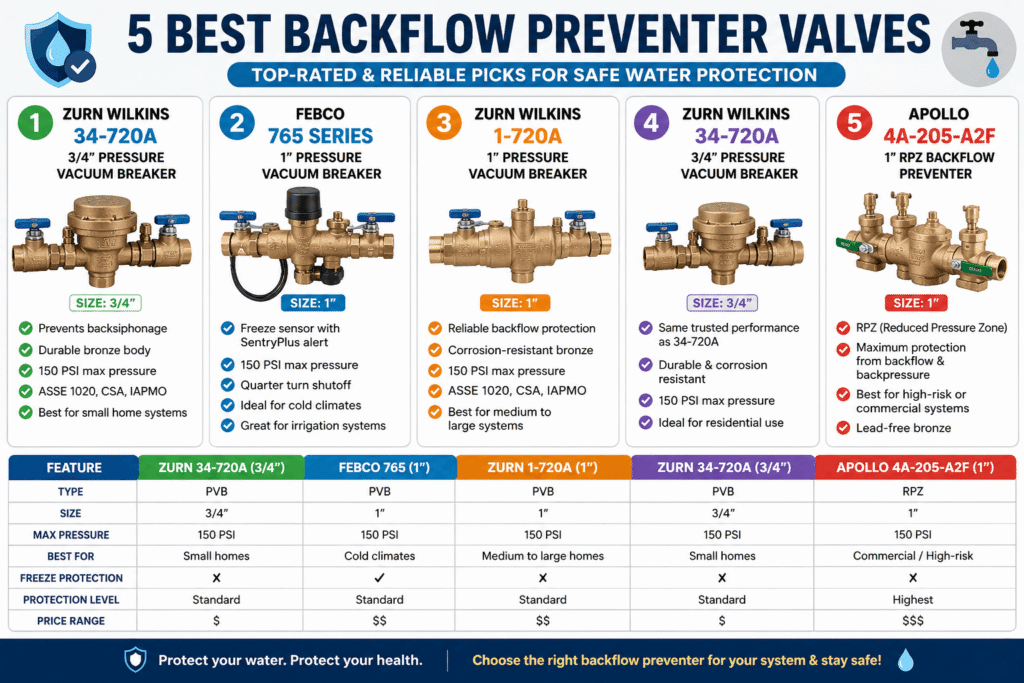
If you use a sprinkler system at home, protecting your drinking water is very important. A backflow preventer for a sprinkler system stops dirty water (with chemicals, fertilisers, or bacteria) from flowing back into your clean water supply.
In the USA, many states actually require backflow prevention devices by law, especially for irrigation systems. So this is not just about safety—it’s also about staying compliant with local plumbing codes.
In this guide from HydroSprinkler, we’ll help you choose the right option based on your system size, budget, and needs.
Table of Contents
| Image | Product | Details | Price |
|---|---|---|---|
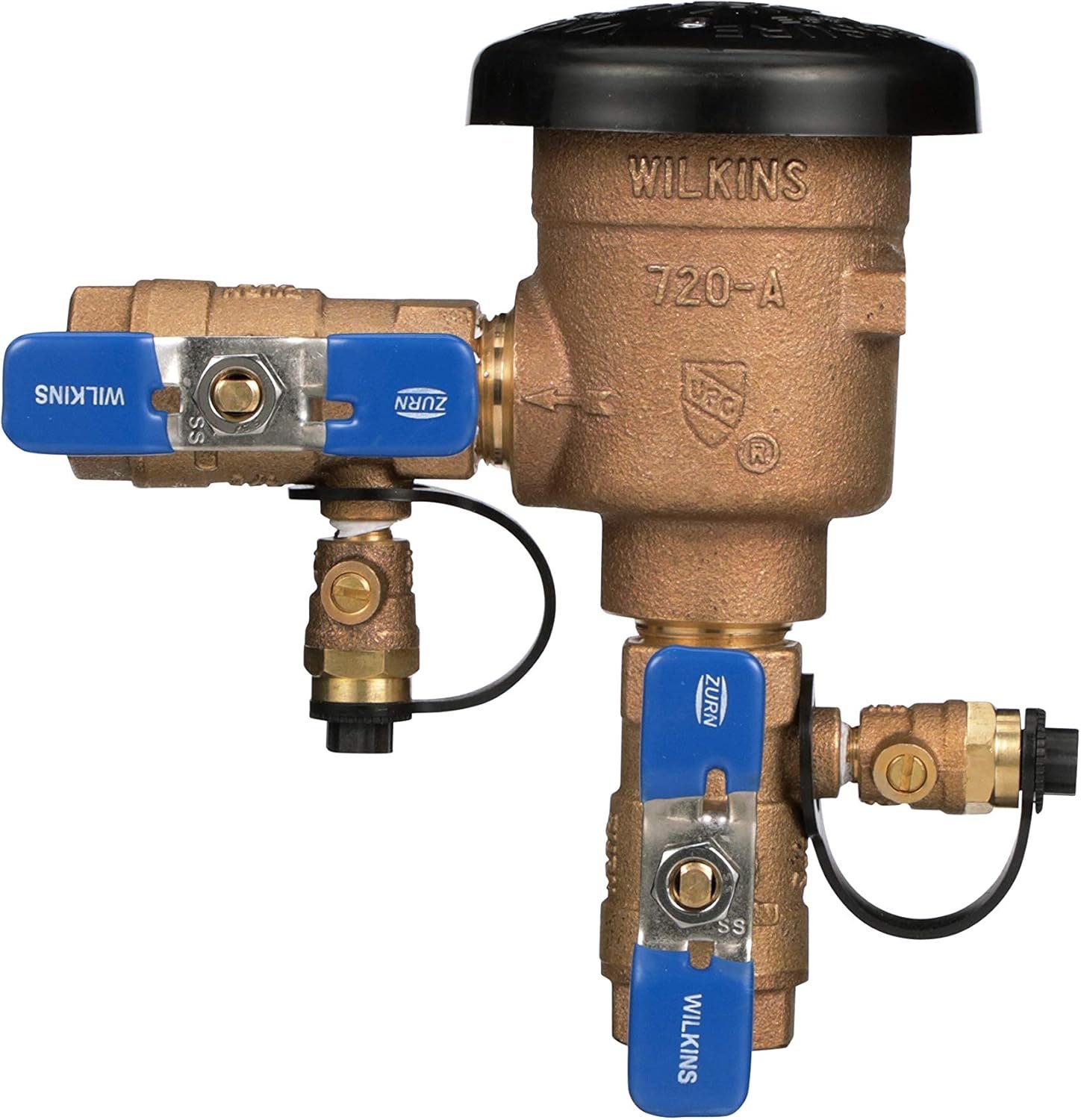 |
Zurn Wilkins 34-720A 3/4″ Pressure Vacuum Breaker | 3/4″ durable PVB that prevents backflow—ideal for small sprinkler systems. |
Check Price |
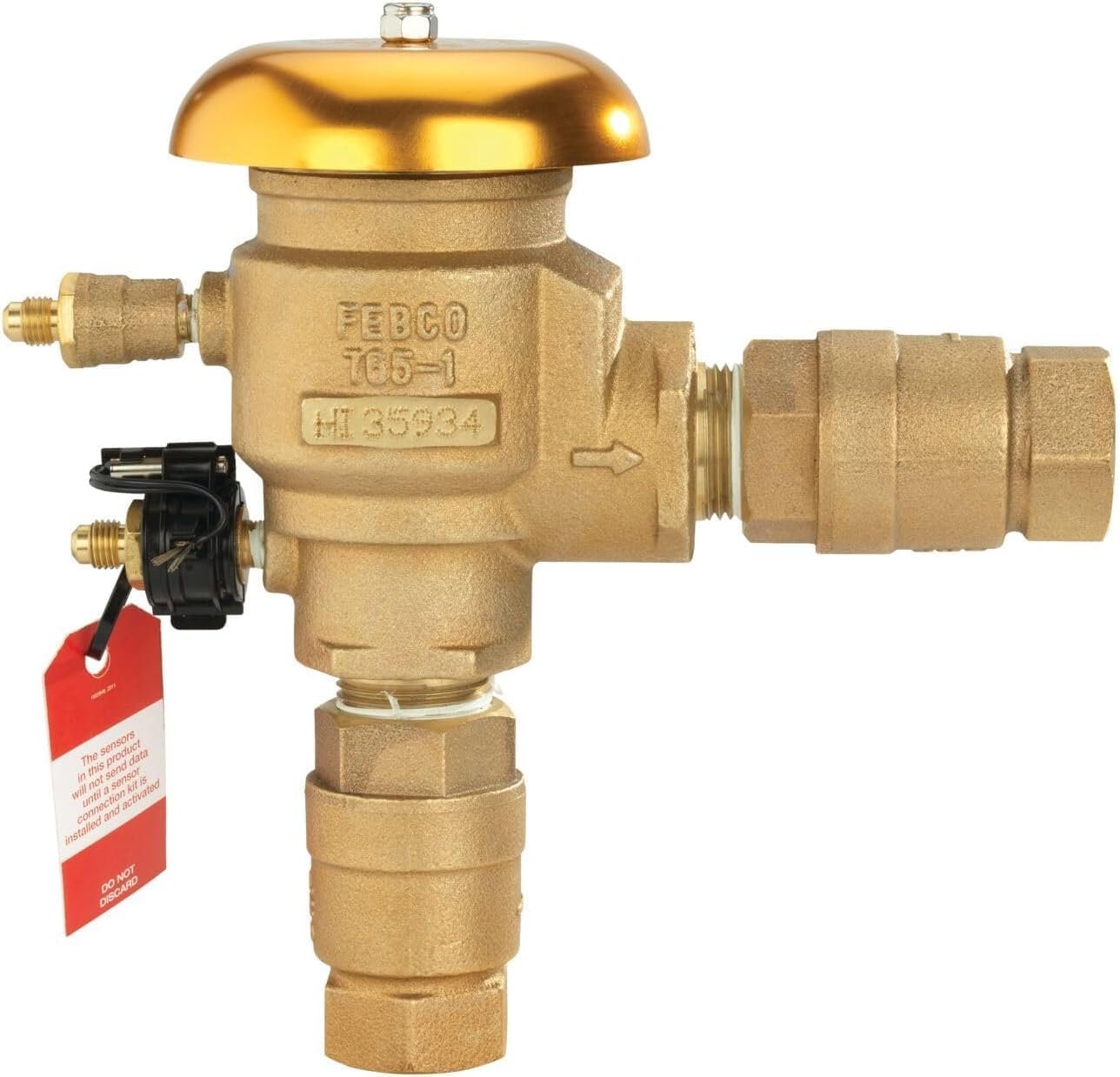 |
Febco 765 Series 1″ Pressure Vacuum Breaker (Freeze Sensor) | 1″ bronze PVB with freeze alert, 150 PSI capacity, and strong backflow protection for irrigation system | Check Price |
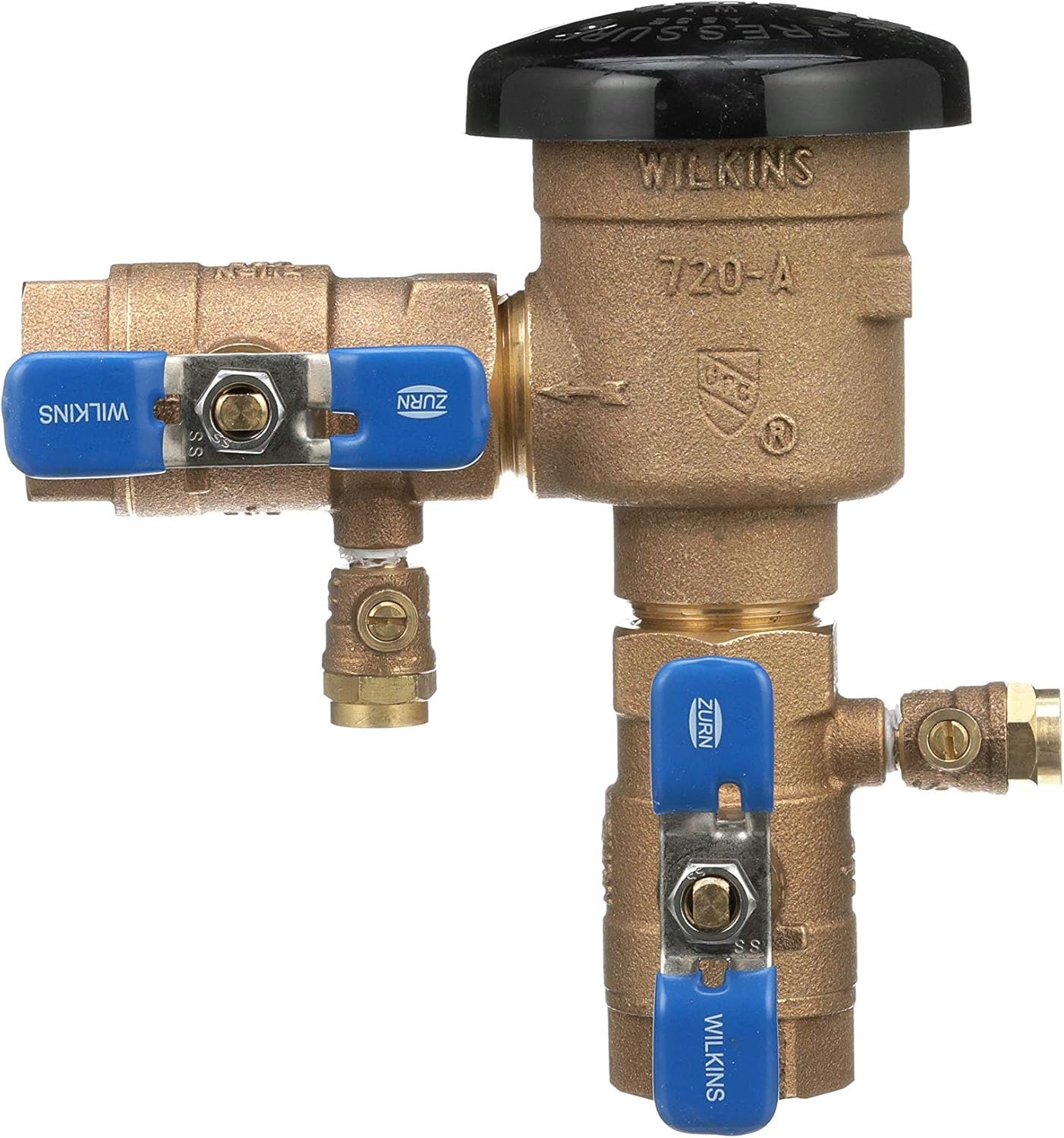 |
Zurn Wilkins 1-720A 1″ Pressure Vacuum Breaker | 1″ bronze backflow preventer for medium sprinkler systems, strong and reliable (150 PSI). |
Check Price |
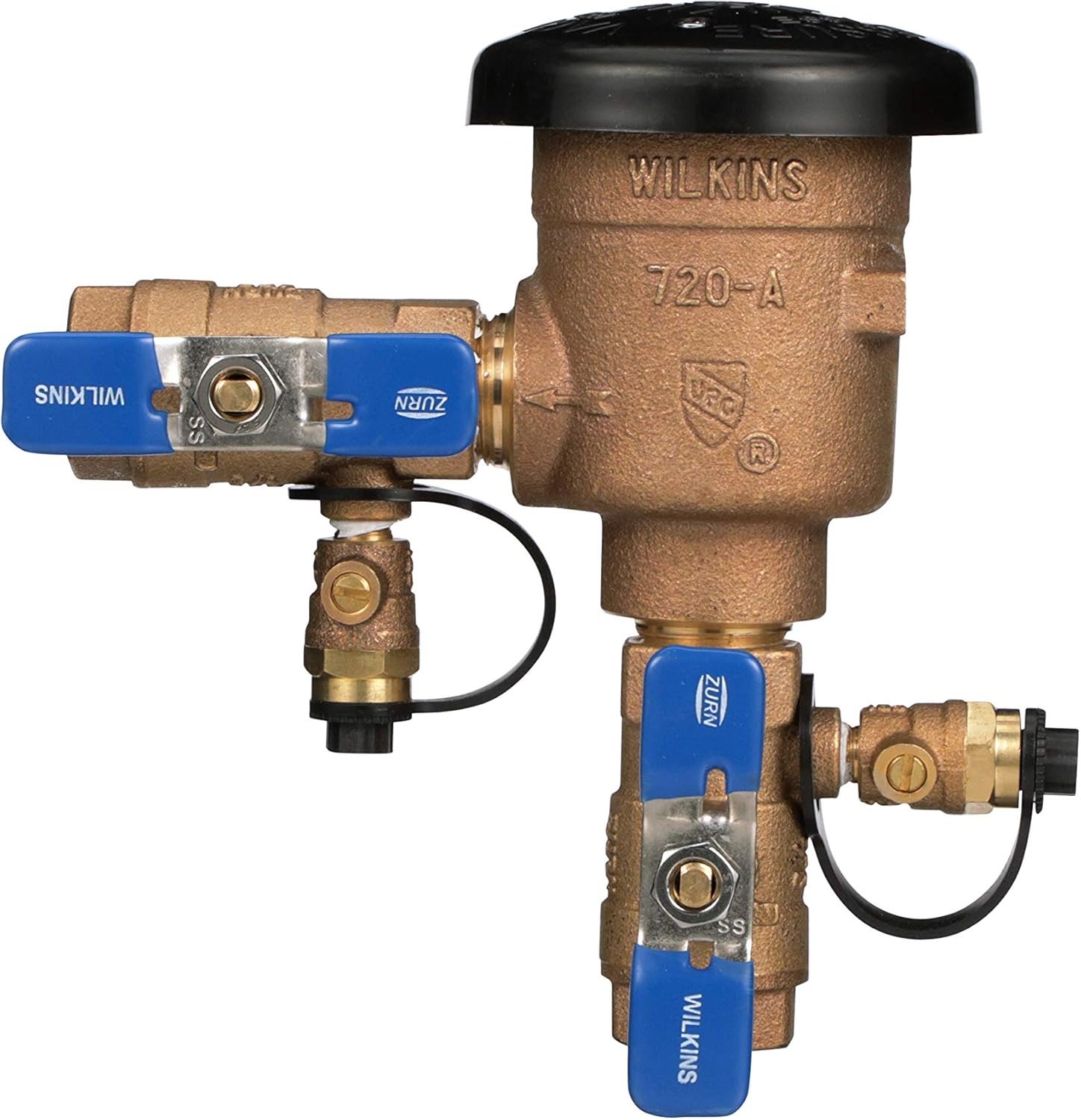 |
Zurn Wilkins 34-720A 3/4″ Pressure Vacuum Breaker | 3/4″ bronze backflow preventer for small sprinkler systems, durable and ASSE-certified with reliable water protection. |
Check Price |
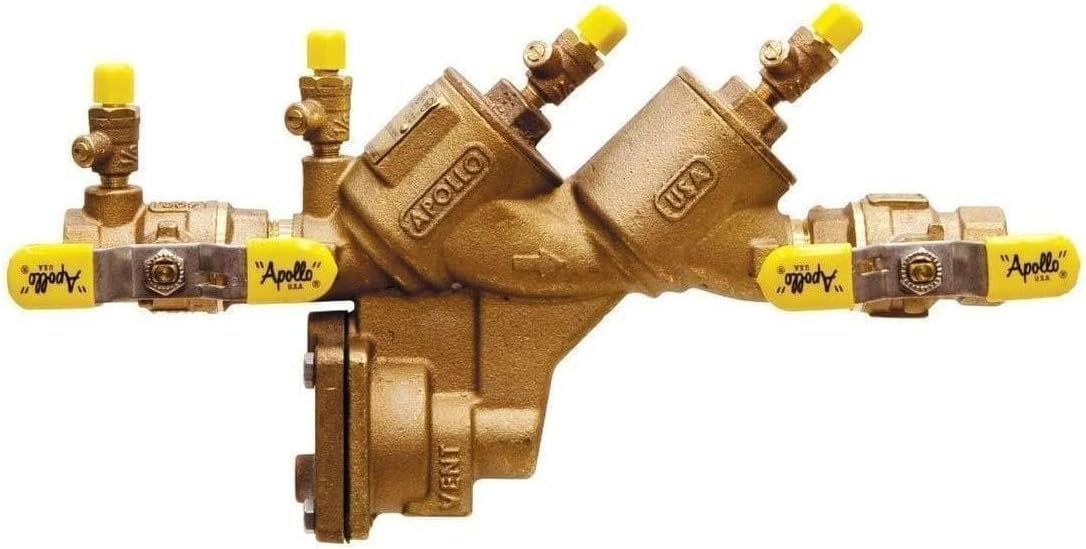 |
Apollo 4A-205-A2F 1″ RPZ Backflow Preventer | 1″ RPZ bronze valve that provides maximum backflow and backpressure protection for high-risk or commercial sprinkler systems. |
Check Price |
Detailed Product Reviews
1. Zurn Wilkins 34-720A 3/4″ Pressure Vacuum Breaker
This is one of the most popular choices for homeowners with small to medium sprinkler systems. It prevents contaminated water from flowing back into your home.
Best for: Small lawns and standard residential irrigation systems
Pros
- Trusted brand with strong reputation
- Durable bronze and stainless steel construction
- Easy to install and maintain
Cons
- Not suitable for large systems
- No smart or advanced features
2. Febco 765 Series 1″ Pressure Vacuum Breaker (with Freeze Sensor)
This model goes a step further by adding a freeze sensor, which alerts you when temperatures drop too low. That’s useful in colder US regions.
Best for: Cold climates and users who want extra monitoring
Pros
- Built-in freeze alert system
- Works well under higher pressure (up to 150 PSI)
- Suitable for irrigation, pools, and even industrial use
Cons
- Slightly more complex to install
- A plastic bonnet is less rugged than a full metal one.
3. Zurn Wilkins 1-720A 1″ Pressure Vacuum Breaker
If you have a larger sprinkler system, this is a great upgrade from the 3/4″ model. It handles higher water flow while keeping your system safe.
Best for: Medium to large residential systems
Pros
- High durability and long-term reliability
- Meets important US safety certifications
- Flexible installation and easy servicing
Cons
- No advanced features like alerts
- Slightly higher cost than smaller models
4. Zurn Wilkins 34-720A (Variant Listing)
This is essentially the same as the first product, just a different listing or configuration.
Best for: Same users as Product
Pros
- Reliable and proven performance
- Strong build quality
- Easy to find replacement parts
Cons
- No major difference from original listing
- Basic functionality only
5. Apollo 4A-205-A2F 1″ RPZ Backflow Preventer
This is a premium RPZ (Reduced Pressure Zone) device. It offers the highest level of protection, including against backpressure—not just backflow.
Best for: Commercial use or high-risk residential systems
Pros
- Top-level safety protection (RPZ technology)
- Strong bronze construction
- Ideal for strict plumbing code areas
Cons
- Expensive
- More complex installation and maintenance
Buyer’s Guide
1. Types of Backflow Preventers
- Pressure Vacuum Breaker (PVB):
Most common for home sprinkler systems. Affordable and effective. - Double Check Valve (DCVA):
Good for low-risk systems but not always allowed everywhere. - RPZ (Reduced Pressure Zone):
Highest protection level. Required in high-risk situations.
2. Key Features to Consider
- Size: Match your pipe size (e.g., 3/4″ or 1″)
- Material: Bronze is durable and long-lasting.
- Certification: Look for ASSE, CSA approvals.
- Pressure Rating: Ensure it supports your water pressure.
3. Installation Basics
- Usually installed above ground
- Must be placed higher than sprinkler heads
- May require a licensed plumber depending on state laws
4. Maintenance Tips
- Test the device once per year
- Drain before winter in cold areas
- Check for leaks or worn parts regularly
how to install sprinkler irrigation system
FAQs
1. Do I really need a backflow preventer?
Yes. It protects your drinking water and is required by law in many US states.
2. Which type is best for home sprinkler systems?
Most homes use a pressure vacuum breaker (PVB) because it’s simple and affordable.
3. How often should it be tested?
At least once a year, especially before irrigation season.
4. Can I install it myself?
Some homeowners can, but many areas require a licensed plumber.
5. What size should I choose?
Match it to your pipe size—usually 3/4″ or 1″ for residential systems.
Final Verdict
Choosing the right backflow preventer depends on your system size and safety needs.
- Best Overall: Zurn Wilkins 1-720A 1″
→ Ideal for most homeowners with medium to large systems - Best Budget: Zurn Wilkins 34-720A 3/4″
→ Great value for small systems - Best Premium: Apollo 4A-205-A2F RPZ
→ Maximum protection for commercial or high-risk setups - Best for Cold Weather: Febco 765 Series
→ Smart choice if freezing is a concern